

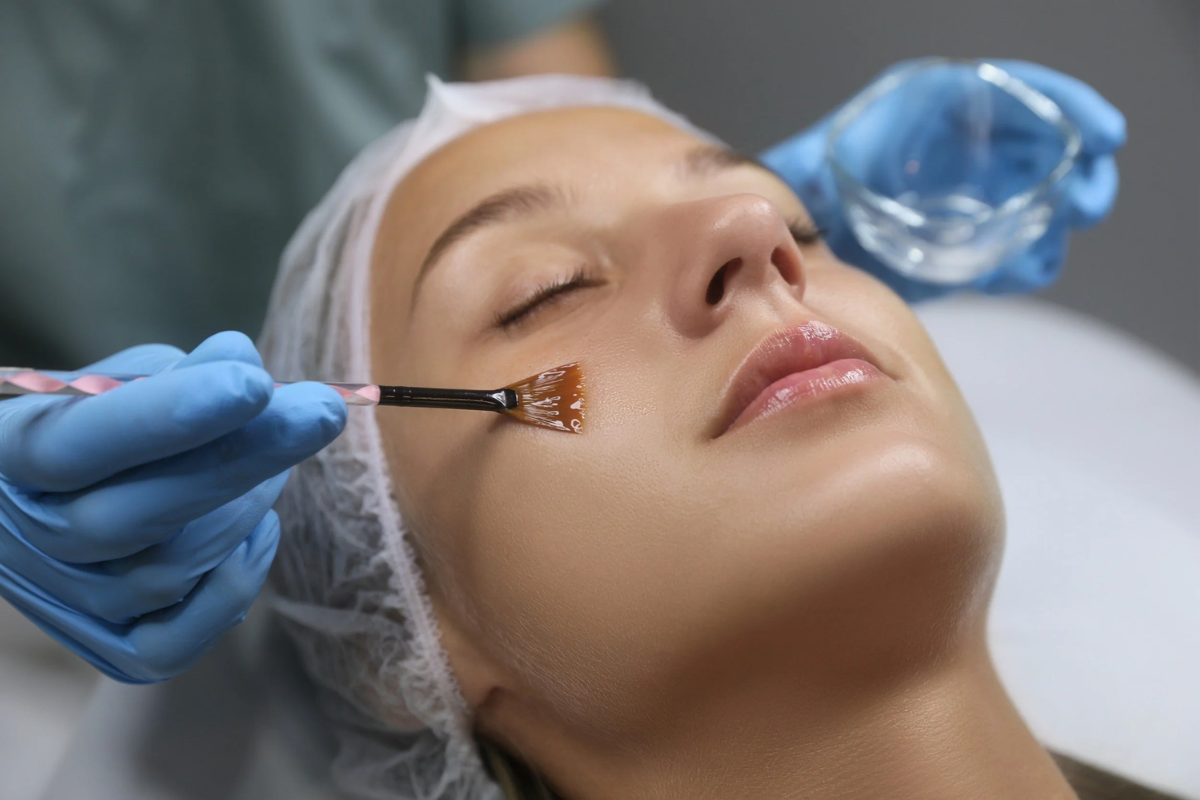
Microneedling Radiofrequency
Advanced dermatology treatment that combines microneedling and radiofrequency to improve acne scars, refine texture, and restore clearer skin.
Microneedling Radiofrequency (MNRF)
Struggling with acne scars or uneven skin texture? Microneedling Radiofrequency (MNRF) at Kandhari Dermatology is an advanced, dermatologist-led treatment that works beneath the skin surface to stimulate collagen and improve skin structure. By combining microneedling with controlled radiofrequency energy, this treatment helps reduce scar depth, tighten skin, and improve overall texture over time.
- Dermatologist-guided treatment
- Targets acne scars and skin texture
- Personalised for different skin types
- Focus on long-term skin improvement

What is Microneedling Radiofrequency (MNRF)?
Microneedling Radiofrequency (MNRF) is an advanced dermatology procedure that combines the collagen-induction benefits of microneedling with the targeted thermal energy of radiofrequency. Ultra-fine insulated needles penetrate the skin to a controlled depth and deliver RF energy directly into the dermis, where it creates precise heat zones that stimulate collagen and elastin remodelling. This dual-action mechanism makes MNRF particularly effective for treating acne scars, enlarged pores, and lax skin. Because the RF energy is delivered deep within the skin rather than at the surface, the treatment is safe for all skin tones with minimal risk of post-inflammatory hyperpigmentation.
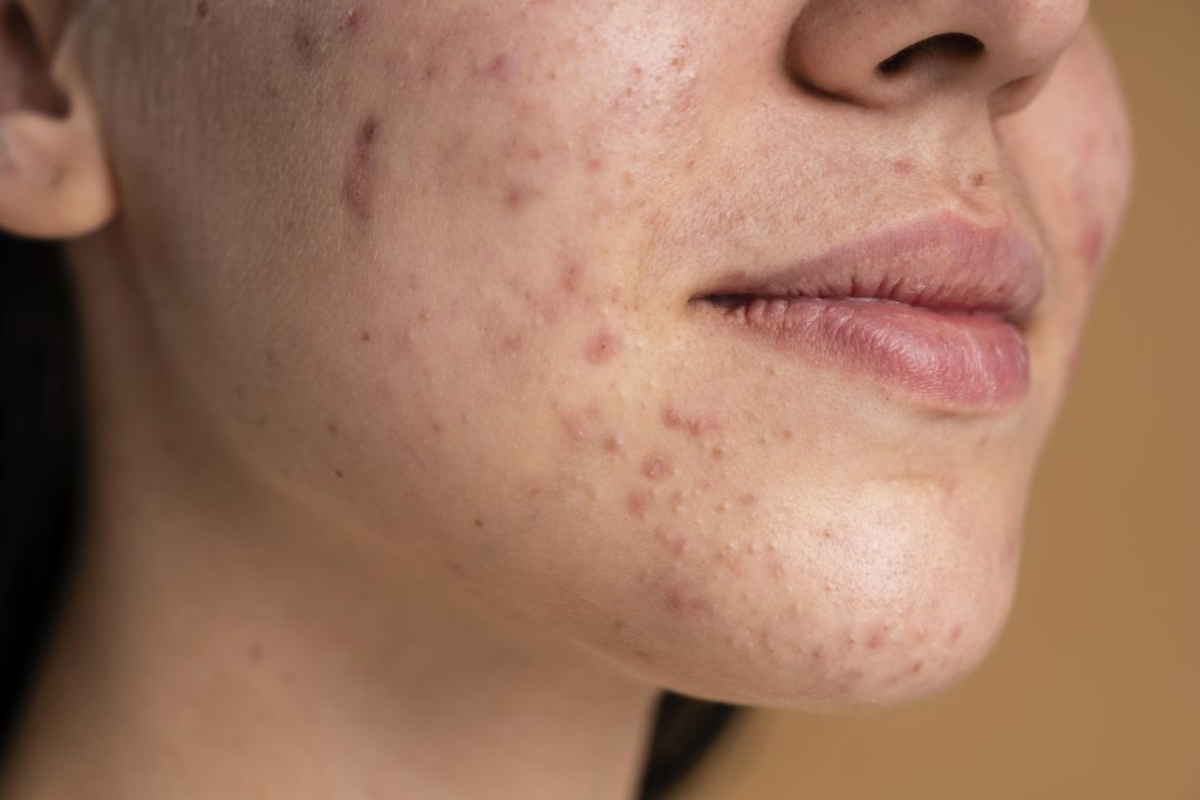
MNRF is suitable for individuals with atrophic acne scars, enlarged pores, mild skin laxity, or uneven skin texture. It is particularly well-suited for patients with darker Indian skin tones who may not be ideal candidates for ablative laser treatments. Patients with active acne infections or certain skin conditions may need to delay treatment until the skin is stable.
MNRF stimulates deep dermal remodelling, improving acne scar depth, skin texture, and pore size. The insulated needles protect the epidermis during treatment, making it a skin-tone-inclusive option. With minimal downtime compared to ablative lasers, patients can typically resume normal activities within a few days. Results build progressively over multiple sessions as collagen synthesis continues.
Avoid sun exposure, retinoids, and AHA-based products for at least one week before treatment. Inform your dermatologist of any active breakouts, medications, or skin sensitivities. Adequate hydration and a gentle skincare routine in the days leading up to treatment help prepare the skin for optimal results.
A topical anaesthetic cream is applied to the skin approximately 30–45 minutes before the procedure to ensure comfort. The MNRF handpiece is then passed over the treatment area, with the dermatologist adjusting needle depth and RF energy settings based on your skin and scar type. A mild heat sensation may be felt. After treatment, the skin is calmed with a soothing serum or mask.
Mild redness and swelling are expected for 24–48 hours after treatment. Keep the skin hydrated and apply broad-spectrum sunscreen daily. Avoid active skincare ingredients, makeup, and excessive sun exposure during the initial recovery period. Your dermatologist will advise on a skincare routine to support healing and results.
MNRF has an excellent safety profile, particularly for darker skin tones. Temporary redness, swelling, and mild pinpoint marks are common and resolve within a few days. When performed by a trained dermatologist, the risk of pigmentation changes or scarring is very low.
Treatment cost depends on the number of sessions required, the size of the area being treated, and the severity of scarring. During your consultation, the dermatologist will assess your skin and provide a tailored treatment plan with cost details.
Book a Consultation
Searching for the best MNRF treatment for acne scars in Delhi? Consult Dr. Rajat Kandhari for Microneedling Radiofrequency — a safe, skin-tone-inclusive procedure that remodels scarring and refines skin texture through deep collagen stimulation. With dermatologist-guided protocols and advanced RF technology, MNRF offers progressive, visible improvement with minimal downtime.
Latest Blogs & Insights on Cosmetic Surgery
Frequently Asked Questions
Explore common questions about our best chemical peel treatment in Bangalore, from how they work to the benefits and aftercare, helping you understand this effective skin resurfacing option.
Yes. MNRF is one of the safest energy-based treatments for darker skin tones because the RF energy is delivered deep into the dermis, leaving the melanin-rich epidermis largely unaffected.
Most patients benefit from three to four sessions spaced four to six weeks apart, though individual requirements vary based on scar severity and skin response.
Topical anaesthesia is applied before treatment to minimise discomfort. Most patients experience a mild sensation of heat or pressure during the procedure.
Yes. MNRF is frequently combined with treatments such as PRP, subcision, or TCA CROSS for a comprehensive scar management approach. Your dermatologist will recommend the most effective combination for your scar type.
Results improve progressively over several months as collagen remodelling continues. With good sun protection and skincare, results can be long-lasting. Maintenance sessions may be recommended.
Most patients experience redness and mild swelling for one to two days. Makeup can typically be applied within 24–48 hours, and most daily activities can be resumed promptly.
Yes. MNRF is effective for refining enlarged pores alongside treating acne scars, making it a versatile treatment for overall skin texture improvement.
Dr. Rajat Kandhari is an experienced dermatologist with expertise in energy-based acne scar treatments. Personalised needle depth and RF energy settings ensure safe, targeted, and effective results for each patient.