

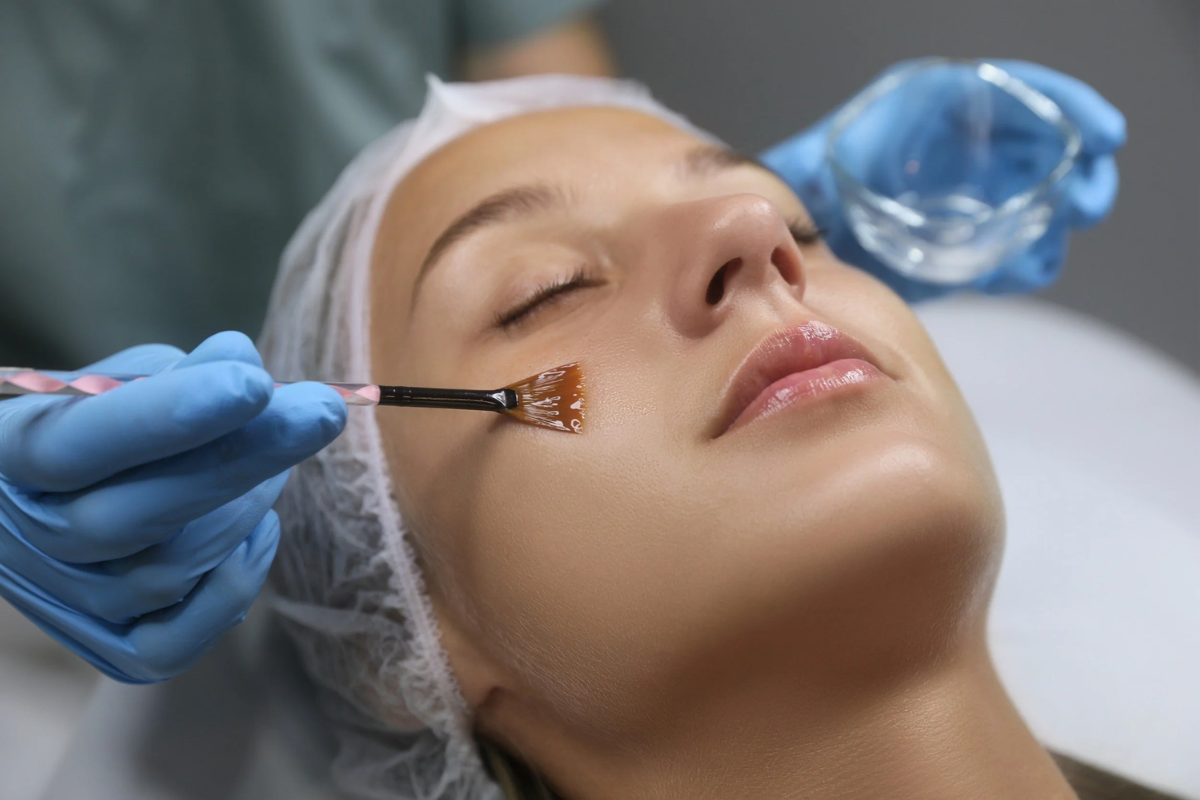
Laser Scar Resurfacing
Every treatment is carried out using state-of-the-art technology and medically approved techniques, ensuring visible and lasting transformations.
Laser Scar Resurfacing for Smoother, More Even Skin
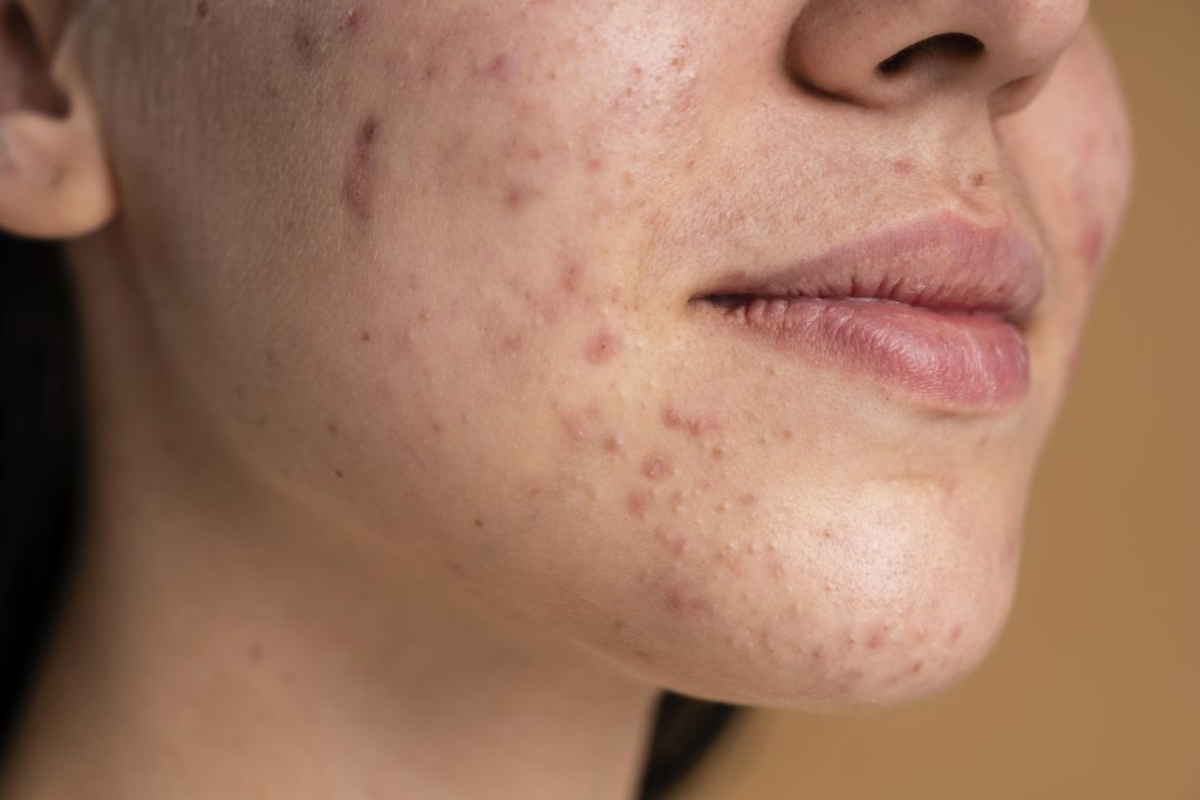
Struggling with acne scars, surgical scars, stretch marks, or uneven skin texture? Laser scar resurfacing uses advanced laser technology to improve the surface and texture of scars, stimulate new collagen production, and restore smoother, more even-looking skin. At Kandhari Dermatology, laser scar resurfacing treatments are tailored to the type and depth of scars being treated, offering clinically effective options for reducing scar visibility and improving overall skin quality.
- Clinically effective treatment for multiple scar types
- Stimulates deep collagen remodelling
- Improves scar texture, depth, and pigmentation
- Customised laser protocol based on scar type and skin type
What is Laser Scar Resurfacing?
Laser scar resurfacing involves the use of medical-grade laser systems — such as fractional CO2 lasers or Erbium lasers — to improve the appearance of scars by targeting and removing or remodelling damaged skin layers while stimulating the skin’s natural collagen production. Fractional lasers create thousands of microscopic treatment zones in the skin, leaving surrounding tissue intact to support rapid healing. This controlled injury triggers a robust collagen remodelling response that gradually improves scar texture, depth, and colour over multiple treatment sessions. Laser scar resurfacing is used for a range of scar types including acne scars, surgical scars, traumatic scars, and stretch marks. The depth and intensity of the laser treatment are adjusted based on the scar type, skin tone, and individual healing capacity.
Dermatology Expertise
Laser scar resurfacing treatments are designed and performed by experienced dermatologists who select the appropriate laser type and settings for each patient's skin type and scar characteristics.
Advanced Laser Technology
We use medical-grade fractional laser systems (including CO2 and Erbium) that are clinically proven for safe and effective scar improvement across a range of skin types.
Personalised Laser Protocol
Laser settings, depth of treatment, and the number of sessions are all customised based on the nature and severity of the scars being treated.
Deep Collagen Stimulation
Fractional laser technology stimulates collagen remodelling at depth, improving scar texture, reducing scar tethering, and progressively smoothing the skin surface.
Safe Approach for Different Skin Types
Laser parameters are carefully selected to ensure safe treatment for different skin tones, reducing the risk of pigmentation changes after treatment.
Comprehensive Scar Management
Laser resurfacing can be combined with other scar treatments such as subcision, microneedling, or PRP for a multi-modal approach to scar improvement.
Laser scar resurfacing may be suitable for individuals with:
- Atrophic acne scars (rolling, boxcar, or ice pick)
- Surgical scars with textural irregularity
- Traumatic or injury-related scars
- Stretch marks with skin texture changes
- Hypertrophic or raised scars (in selected cases)
- Post-inflammatory pigmentation alongside scarring
A dermatologist consultation helps identify the most appropriate laser type and protocol based on your scar type, depth, skin tone, and healing response.
Laser scar resurfacing provides clinically meaningful improvement in scar appearance through collagen remodelling:
- Reduces scar depth and surface irregularity
- Improves scar pigmentation and colour
- Stimulates significant new collagen production
- Smoothens and refines the skin surface
- Progressive improvement with each session
- Can be combined with other treatments for enhanced scar reduction
Improvement in scar appearance is progressive, developing over weeks to months following each session as the skin continues to heal and remodel.
Before laser scar resurfacing, a thorough skin consultation and assessment of the scars is conducted to determine the appropriate laser system, settings, and number of sessions needed.
Avoid sun exposure, tanning, and strong actives such as retinoids or AHAs for two to four weeks before the procedure. Patients with a history of cold sores may be prescribed antiviral medication before laser treatment.
Darker skin types require specific pre-treatment preparation to reduce the risk of post-treatment pigmentation changes. Your dermatologist will provide personalised pre-treatment instructions.
Laser scar resurfacing begins with thorough skin cleansing and the application of topical numbing cream to the treatment area. Protective eyewear is provided throughout the procedure.
The laser device is applied in a systematic pattern over the scar treatment area. Patients typically feel a warm, prickling sensation during the procedure, which is generally well-managed with prior numbing.
Session duration varies from 20 minutes to over an hour depending on the size of the treatment area and the laser intensity used. Redness and mild swelling immediately after treatment are expected and normal.
After laser scar resurfacing, the treated area will appear red and feel warm or sensitive, similar to mild sunburn. This is expected and typically improves within a few days for fractional treatments.
Keep the skin well moisturised and avoid picking or rubbing the treated area. Broad-spectrum sunscreen is essential and sun exposure must be strictly avoided during the healing period.
Full recovery time depends on the laser intensity. Superficial fractional treatments may involve two to three days of redness; more intensive protocols may require five to seven days or more. Your dermatologist will provide detailed aftercare instructions based on your specific treatment.
Laser scar resurfacing is a clinically studied procedure with a well-established safety profile when performed by trained dermatologists using appropriate settings for each skin type.
Temporary side effects include redness, swelling, dryness, and mild peeling after treatment. Longer downtime is associated with more intensive laser settings.
Post-inflammatory pigmentation (darkening or lightening) can occur, particularly in darker skin tones. Correct pre-treatment preparation, appropriate laser parameter selection, and diligent post-treatment sun protection help minimise this risk.
The cost of laser scar resurfacing in Delhi varies depending on the laser system used, the size and depth of the scars treated, and the number of sessions required.
Most patients require a series of three to six sessions for optimal improvement, depending on scar severity.
A personalised cost estimate will be provided following consultation and assessment of the scars to be treated.
Consult The Best Laser Scar Resurfacing Clinic In Delhi Today
Looking to reduce the appearance of acne scars, surgical scars, or stretch marks with laser scar resurfacing in Delhi? Book a consultation with Dr. Rajat Kandhari and his dermatology team for a personalised scar assessment. Advanced fractional laser technology stimulates deep collagen remodelling to progressively improve scar depth, texture, and pigmentation. With experienced dermatologist guidance and customised laser protocols, we deliver safe and clinically effective scar improvement.
Latest Blogs & Insights on Cosmetic Surgery
Frequently Asked Questions
Laser scar resurfacing is used for acne scars (rolling, boxcar, and ice pick types), surgical scars, traumatic scars, stretch marks, and post-inflammatory pigmentation. The appropriate laser type and settings are selected based on scar type.
Laser scar resurfacing can be used for a range of skin types. Darker skin tones require careful parameter selection and pre-treatment preparation to reduce the risk of pigmentation changes. Your dermatologist will assess your suitability.
Topical numbing cream is applied before treatment to minimise discomfort. Most patients feel a warm, prickling sensation during the procedure, which is generally well-tolerated.
Recovery time depends on the laser intensity used. Fractional treatments at lower intensities may require two to three days of visible redness and mild peeling. More intensive sessions may involve five to seven days of more significant skin reaction.
Laser scar resurfacing significantly improves scar appearance, reducing depth, texture irregularity, and pigmentation. While complete scar removal is rarely achievable, most patients see meaningful and lasting improvement in scar visibility.
Yes. Laser resurfacing is frequently combined with subcision, TCA CROSS, microneedling, or PRP as part of a multi-modal scar treatment plan to address different aspects of scar improvement simultaneously.